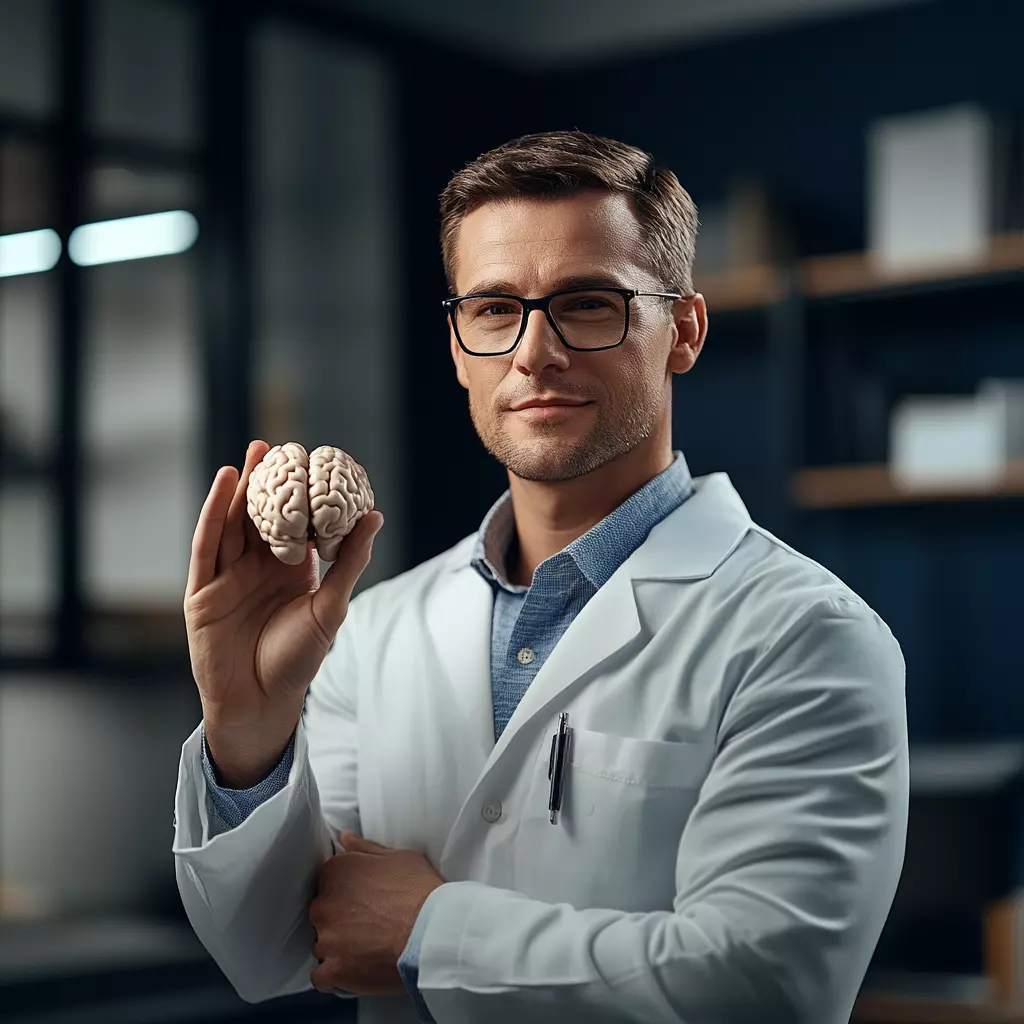
Understanding Neurosciences: How the Brain, Body, and Medicine Interconnect
What Are the Neurosciences?
Neurosciences encompass a broad field of medicine and research focused on the nervous system—the complex network that governs everything from your heartbeat to your thoughts.
This system is divided into two core components:
Central Nervous System (CNS): The brain and spinal cord, which serve as the main processing center.
Peripheral Nervous System (PNS): All nerves outside the CNS, responsible for linking the brain and body. It includes:
- Autonomic Nervous System (ANS): Manages involuntary actions like breathing and digestion.
- Somatic Nervous System (SNS): Controls voluntary movements and sensory information processing.
Your brain is not just a control center—it defines who you are, driving your emotions, memories, and behaviors.
Conditions Treated in Neurosciences
The neurosciences address a wide range of conditions that affect how the brain and nerves function. These include:
- Vascular disorders: Strokes, aneurysms, arteriovenous malformations
- Neurodegenerative diseases: Alzheimer’s, Parkinson’s
- Injuries: Concussions, brain trauma, spinal injuries
- Autoimmune and demyelinating diseases: Multiple sclerosis, myasthenia gravis
- Tumors: Benign and malignant brain or spinal tumors
- Neuropathies and movement disorders: Tremors, peripheral nerve damage
- Mental and behavioral disorders: Schizophrenia
- Infectious diseases: Meningitis
- Neuro-ophthalmologic issues: Vision problems stemming from nerve damage
Diagnostic Tools and Techniques
To evaluate the nervous system, specialists use a combination of imaging, biochemical, and neurophysiological tests, including:
- CT scans & MRIs – For structural insights
- EEG & MEG – For tracking brain electrical activity
- EMG & NCV tests – For assessing muscle and nerve function
- Spinal taps (lumbar puncture) – To analyze cerebrospinal fluid
- PET/SPECT scans – For examining brain metabolism
- Evoked potentials – To assess sensory processing
- Neuropsychological testing – For cognitive function evaluation
These tools help doctors understand how your brain and nerves are functioning and guide accurate diagnosis.
Treatment Approaches
Neurological conditions often require personalized treatment plans, which may include:
- Medication: To manage pain, halt degeneration, suppress immune attacks, or treat infections.
- Infusion therapy or spinal injections: For conditions that don’t respond to oral medication.
- Surgery: When structural intervention is necessary—e.g., for tumors, hemorrhages, or severe spine disorders.
Microsurgery and stereotactic radiosurgery offer precision and minimize damage to surrounding tissue.
Interventional neuroradiology: Minimally invasive treatments through catheters in blood vessels, e.g.:
- Aneurysm coiling
- Stroke therapy
- Spinal myelograms
Neuromodulation: Techniques like deep brain stimulation or spinal cord stimulation
Rehabilitation: Physical, occupational, and speech therapy post-injury or stroke
The Interdisciplinary Team Behind Neuroscience Care
Effective neuroscience treatment is typically collaborative, drawing expertise from multiple disciplines, including:
- Neurologists and neurosurgeons
- Radiologists and neuroradiologists
- Psychiatrists and psychologists
- Neuropsychologists
- Pain physicians
- Primary care physicians
- Therapists (physical, occupational, speech-language)
- Social workers and dietitians
- Neuroscientists and researchers
Together, these professionals form a unified care team that addresses both the biological and emotional needs of patients.
Conclusion
Neurosciences form the backbone of our understanding and treatment of the body’s most intricate command center—the nervous system. Whether managing epilepsy, healing from stroke, or supporting someone through cognitive decline, this field connects advanced technology with deeply human care.
Through a combination of diagnostic precision, treatment innovation, and collaborative care, neurosciences continue to expand what's possible for those facing neurological challenges.
Source:
U.S. National Library of Medicine (https://medlineplus.gov/ency/article/007456.htm).