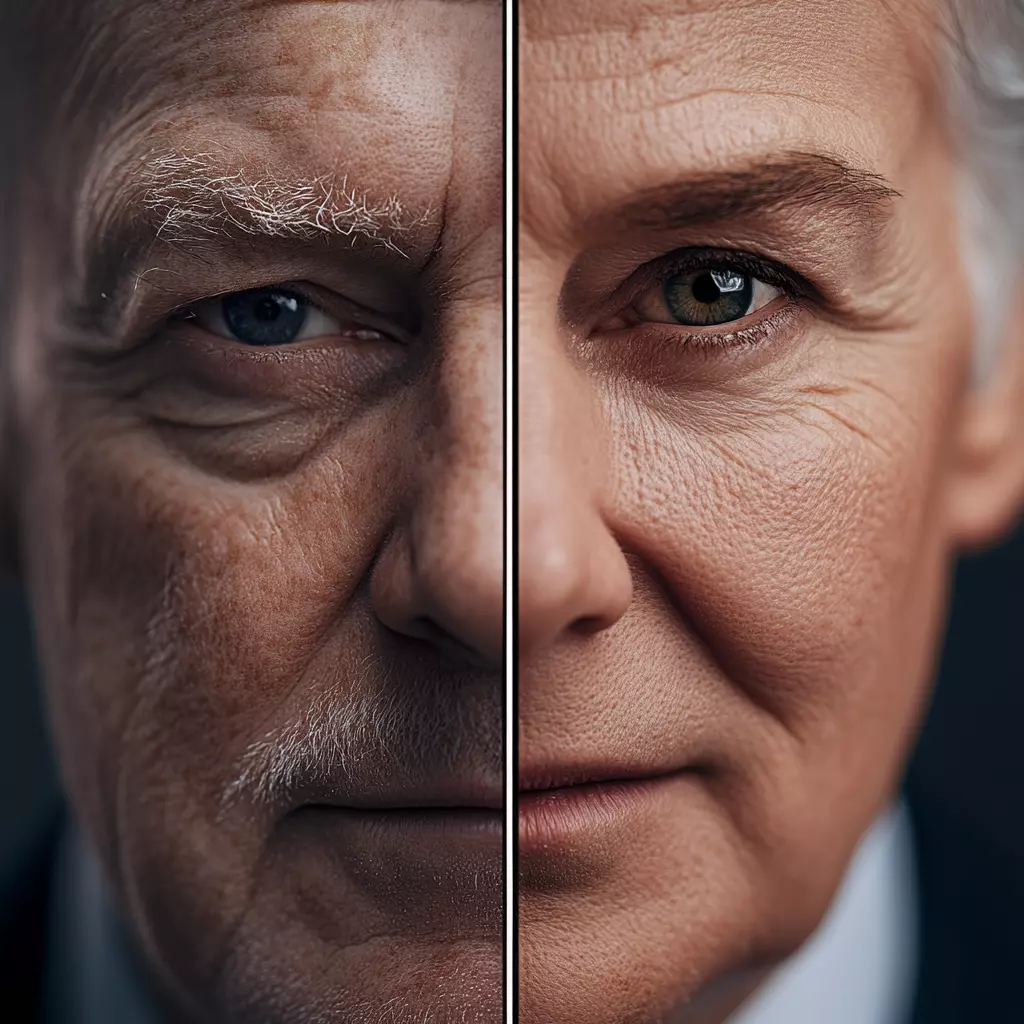
Biological Age vs. Chronological Age: What Really Predicts Your Health Outcomes?
As we age, our bodies don’t all follow the same biological timeline. While chronological age (CA) tells us how many birthdays we’ve celebrated, biological age (BA) reflects the actual physiological wear and tear on our bodies—and it might be the key to predicting health outcomes and extending healthy lifespan.
A groundbreaking study using UK Biobank data on over 59,000 healthy individuals has developed a machine-learning–based biological age model that goes far beyond basic health indicators to include genomics, cognition, blood biomarkers, and more. The results reveal a clear link between a greater "age gap" (BA %mygt% CA) and risks of disease, mortality, and modifiable lifestyle factors.
Key Takeaways
- Biological age gap (BA − CA) predicts risk for heart disease, diabetes, dementia, and early death.
- Top modifiable factors that delay biological aging include: better lung function, muscle strength, lower body fat, and reduced inflammation.
- 35 lifestyle factors were statistically linked to aging speed.
- The gene CST3, related to immune and kidney function, emerged as a key player in biological aging.
- Individuals with accelerated aging had up to 50% higher risk of chronic diseases and mortality.
Measuring Aging More Accurately with Machine Learning
Researchers applied the LightGBM algorithm to data from 59,316 healthy participants, integrating:
- Physical health markers (e.g., blood pressure, grip strength)
- Biochemical data (e.g., CRP, IGF-1, kidney markers)
- Cognitive performance
- Genomic information
They identified the 20 most predictive traits of biological aging, with a mean error margin of just 4.5 years. Cognitive function, cystatin C (a kidney health marker), and pulse pressure emerged as particularly strong indicators.
Biological Age Gap Predicts Disease and Death
The study followed 257,336 individuals over nearly 13 years and categorized them by age gap. Those with an age gap %mygt%3.2 years had significantly higher risks for:
- Cardiovascular conditions (e.g., hypertension, stroke, heart failure)
- Chronic diseases (e.g., diabetes, kidney disease, COPD)
- Neurological issues (e.g., dementia, epilepsy)
- All-cause mortality (+27%)
- Interestingly, lower biological age was positively associated with some cancers—highlighting the complexity of aging and disease.
35 Modifiable Factors That Influence Aging
Lifestyle plays a powerful role in slowing (or accelerating) biological aging. Among the most significant protective factors:
- Lung function (e.g., FVC, PEF)
- Muscle mass & grip strength
- Basal metabolic rate
- Lower body fat percentage
- Higher eGFR (kidney function)
- Lower CRP (inflammation marker)
- Not smoking
- Good self-rated health
- Brisk walking pace
Surprisingly, current alcohol drinkers had slightly lower biological age gaps—but researchers caution this could be due to confounding factors rather than causation.
The Genetic Connection: CST3 and Accelerated Aging
A genome-wide analysis identified 9 risk loci, with CST3 (cystatin C gene) showing the strongest link to biological aging. CST3 is:
- Highly expressed in the brain, particularly in astrocytes and mural cells.
- Linked to inflammation, metabolism, and neurodegeneration.
- A known player in diseases like Alzheimer's, macular degeneration, and cardiovascular disorders.
This strengthens the case that inflammation and immune regulation are at the heart of aging biology.
Aging as a Modifiable Process
This study reinforces that biological aging is not fixed. By optimizing key health parameters—especially lung function, muscle mass, inflammation, and renal health—it's possible to narrow the age gap and reduce risks for age-related diseases.
The findings also set the stage for:
- Personalized anti-aging interventions
- New biomarkers of aging
- Clinical applications in early disease detection and prevention
Final Thoughts
The transition from measuring age in years to measuring age in biology could revolutionize preventive medicine and longevity research. This study marks a significant leap by combining machine learning, omics, and traditional health data into a unified biological aging model.
“Biological age—not the number on your birthday cake—is what predicts your future health.”
Source: Based on Liu, W.-S., You, J., Ge, Y.-J., et al. (2023). Association of biological age with health outcomes and its modifiable factors. Aging Cell, 22, e13995. https://www.ncbi.nlm.nih.gov/pmc/articles/PMC10726867/