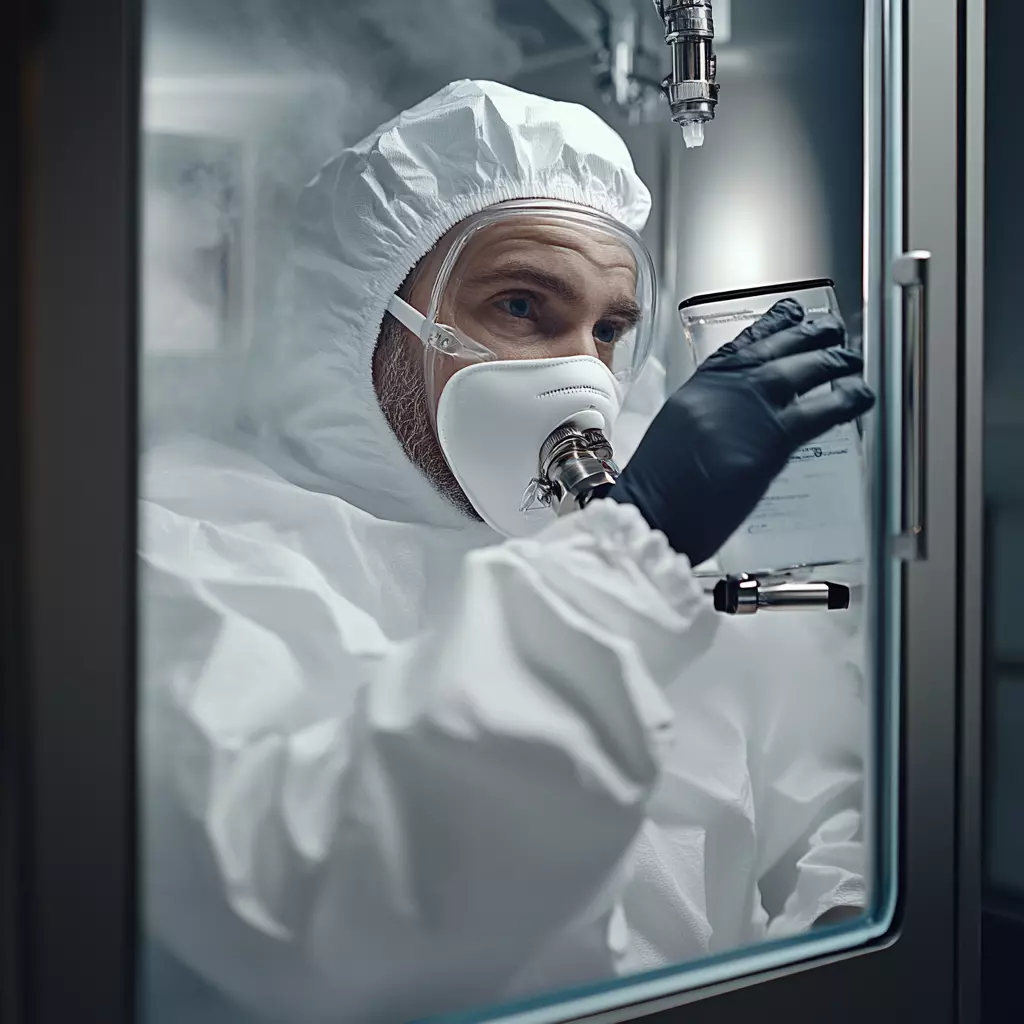
Exploring the Frontiers of Cryonics: The Science and Future of Life Extension
- Cryonics relies on vitrification to prevent ice damage, substituting water with cryoprotectants that preserve cells at -196°C.
- Technological hurdles remain: Reviving a human body—especially the brain—without loss of identity or memory is still speculative.
- Nanotechnology and regenerative medicine are central to future revival possibilities, offering hope for repairing cellular damage.
- Ethical and legal debates abound, particularly regarding identity, consent, and the meaning of life and death.
- Cryonics could transform medicine, offering new solutions in organ preservation, disease treatment, and psychological comfort for terminal patients.
The State of Cryonics Today
Institutions like Alcor Life Extension Foundation and the Cryonics Institute are pioneering cryopreservation using vitrification techniques. While no human has yet been revived, organs, tissues, and embryos have been successfully preserved and thawed—indicating that biological integrity can be maintained under the right conditions.
Scientific and Ethical Considerations
Cryonics confronts multiple frontiers:
- Feasibility: Vitrification reduces cellular damage, but post-thaw molecular decay and the restoration of consciousness remain key challenges.
- Ethics: Reviving individuals into unfamiliar futures raises questions about identity, memory retention, and personal autonomy.
- Legal ambiguity: Most countries only allow cryopreservation after legal death is declared, potentially compromising the quality of preservation.
Benefits: Medical Innovation & Psychological Hope
Cryonics may bridge today’s incurable diseases with tomorrow’s cures:
- Medical breakthroughs: Cryopreserved individuals could one day benefit from future cancer cures, stem cell therapies, or organ regeneration.
- Organ donation: Long-term preservation could revolutionize organ transplantation logistics and availability.
- Life extension: Beyond science fiction, cryonics presents a vision of dramatically prolonged human lifespan.
- Psychological relief: For patients and families, cryonics offers a unique kind of hope in the face of terminal diagnoses.
Future Technologies: Nanomedicine and Bioprinting
Key to cryonics’ promise are future innovations:
- Nanotechnology may one day repair microscopic cellular structures, including the synaptic networks that encode memory and identity.
- Bioprinting and regenerative medicine could replace damaged organs and tissues, supporting recovery after revival.
Despite skepticism, advancements in these areas suggest a potential pathway toward reviving cryopreserved individuals—though likely decades or even centuries away.
Economic and Societal Implications
Currently, cryonics is expensive and mostly accessible to affluent individuals. As life extension becomes a serious scientific endeavor, ethical questions about equity, generational dynamics, and societal structure will grow:
- Will only the wealthy be able to pause death?
- How will centuries-long lifespans affect jobs, family systems, and resource distribution?
- Can society redefine aging and legacy for a post-mortality era?
The Road Ahead: A Cautious Optimism
To responsibly navigate cryonics' future, collaboration across disciplines—biology, nanotech, law, ethics, and AI—is essential. AI-driven simulations and predictive models are already helping optimize preservation protocols. As technologies advance, developing clear regulatory and moral frameworks will be vital.
While revival remains speculative, cryonics is more than science fiction—it is a growing scientific, philosophical, and cultural phenomenon that challenges our deepest assumptions about death, time, and what it means to be human.
“Cryonics may alter the limits of existence and demise in the years to come, but its future depends on ongoing innovation and cooperation across scientific fields.”
— Dashti & Ani, 2024
Source: World Journal of Biology Pharmacy and Health Sciences, 2024, 20(02), 602–608
Authors: Amirreza Dashti & Sofia Ani
DOI: https://doi.org/10.30574/wjbphs.2024.20.2.0785