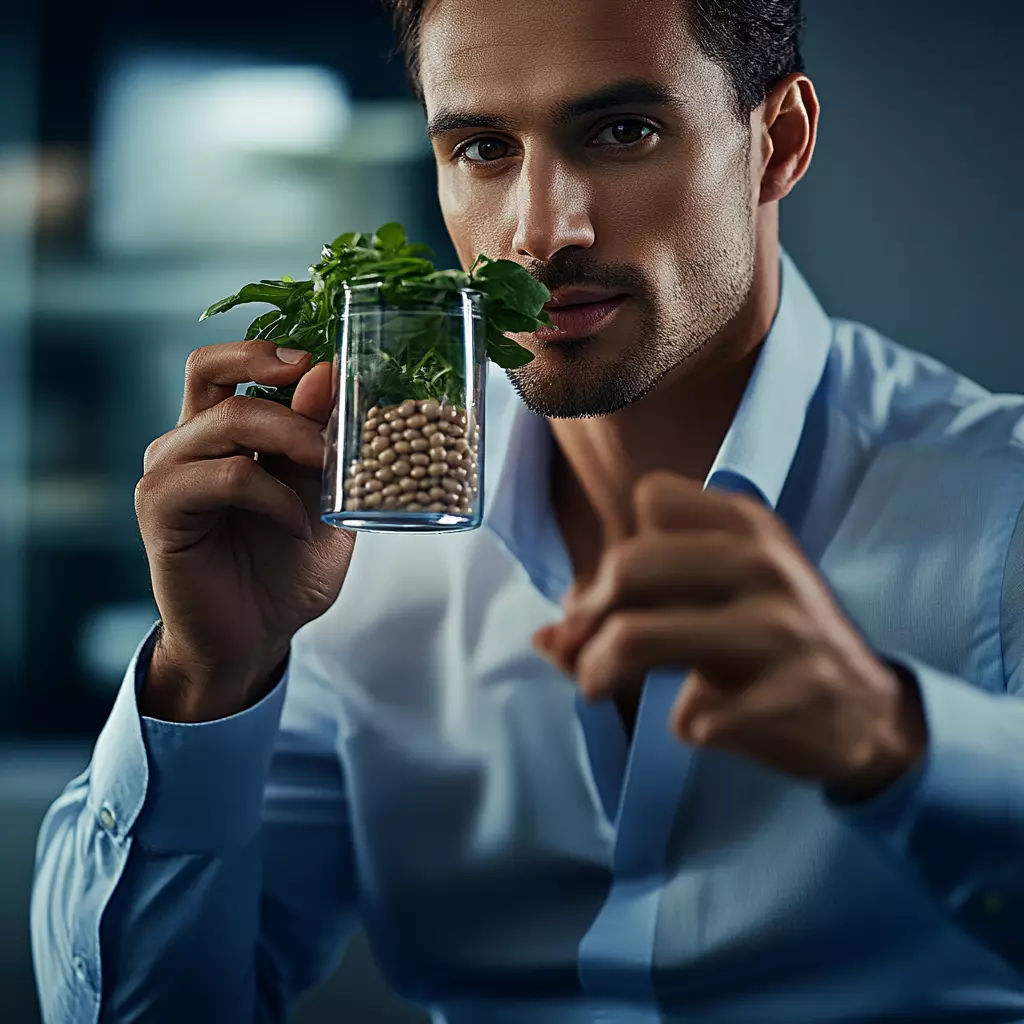
How Foods Influence Your Body’s Detox Systems: What Science Says
From cruciferous vegetables to catechins in tea, research shows that food isn’t just fuel—it’s a powerful regulator of your body’s detoxification pathways.
Why Detoxification Matters
The human body is constantly exposed to external toxins (such as pollutants, medications, alcohol) and internal metabolic byproducts (including hormones and oxidative stress). To manage these, the body relies on a sophisticated detoxification system that includes:
- Phase I enzymes (CYP450 family): Convert toxins into reactive intermediates through oxidation.
- Phase II enzymes: Conjugate those intermediates, making them water-soluble for elimination.
- Antioxidant response systems (via Nrf2): Neutralize oxidative stress and maintain redox balance.
- Metallothionein proteins: Bind and remove heavy metals like mercury, cadmium, and lead.
Scientific studies now show that specific foods and nutrients can modulate these pathways—either activating or inhibiting them—depending on dosage, genetic background, and overall dietary context.
Major Detox Pathways and Their Nutritional Modulators
Phase I Enzymes (CYP450 Family)
Phase I detoxification involves cytochrome P450 enzymes that prepare toxins for elimination. However, overactivity without proper support can increase oxidative damage.
Nutritional inducers:
- Cruciferous vegetables (broccoli, Brussels sprouts, cabbage)
- Garlic and turmeric
- Resveratrol (found in grapes, wine, and peanuts)
Inhibitors (when overexpressed):
- Quercetin (onions, apples)
- Black tea and green tea
- Ellagic acid (berries, pomegranates)
The same food can act as either an inducer or inhibitor depending on the dose and form (whole food vs extract).
Phase II Enzymes (Conjugation Pathways)
These enzymes add molecules like glutathione, sulfate, or glucuronic acid to Phase I metabolites, preparing them for excretion.
Promoters of Phase II activity:
- Watercress, broccoli, citrus fruits
- Resveratrol and curcumin
- Allium vegetables (onions, leeks, garlic)
- Soy isoflavones and ellagic acid
Cruciferous vegetables, in particular, upregulate glutathione-S-transferases (GSTs), which are crucial for conjugation and antioxidant defense.
Nrf2 Pathway (Antioxidant and Cytoprotective Genes)
The Nrf2 transcription factor regulates genes involved in antioxidant defense and detoxification.
Foods shown to activate Nrf2:
- Curcumin and turmeric
- Garlic and onion compounds
- Resveratrol
- Catechins from green tea
- Sulforaphane from broccoli
- Astaxanthin, blueberries, and pomegranate
Interestingly, some compounds (like quercetin) may inhibit Nrf2 at high doses, illustrating a biphasic or dose-dependent response.
Metallothionein and Heavy Metal Detoxification
Metallothionein proteins help remove heavy metals from the body and reduce oxidative stress.
Upregulators include:
- Zinc (especially through supplementation)
- Sulforaphane (from cruciferous vegetables)
- Phytonutrient blends (e.g., pomegranate, hops, watercress)
- Possibly quercetin and cordyceps
Zinc intake appears especially effective in boosting metallothionein gene expression in both blood and intestinal tissue.
Clinical Applications and Considerations
- 1. Whole Foods Over Supplements: Diverse plant-based diets are preferable to high-dose supplements, which can create imbalances or exert opposite effects at different doses.
- 2. Genetic Variability: Enzyme activity (especially CYP450 and GSTs) varies greatly due to genetics. Personalized nutrition based on genetic testing may improve outcomes.
- 3. Polypharmacy Caution: Food-drug interactions are significant. For patients taking multiple medications, understanding which foods influence detox enzymes is essential.
- 4. Duration and Dose: Some effects appear within days, others require sustained intake. High or repeated doses may shift foods from beneficial to harmful.
- 5. Synergy and Variety Matter: Combining a variety of foods—cruciferous vegetables, berries, spices, teas—likely provides better outcomes than single compounds.
Final Takeaway
Food can be a strategic tool to modulate detoxification pathways, support antioxidant systems, and enhance the body’s resilience to toxins. While promising, this field is still evolving, and dietary recommendations should be tailored, cautious, and ideally guided by clinical insights.
Source:
Hodges, R. E., & Minich, D. M. (2015). Modulation of Metabolic Detoxification Pathways Using Foods and Food-Derived Components: A Scientific Review with Clinical Application. NCBI, PMC4488002 (https://pmc.ncbi.nlm.nih.gov/articles/PMC4488002/).