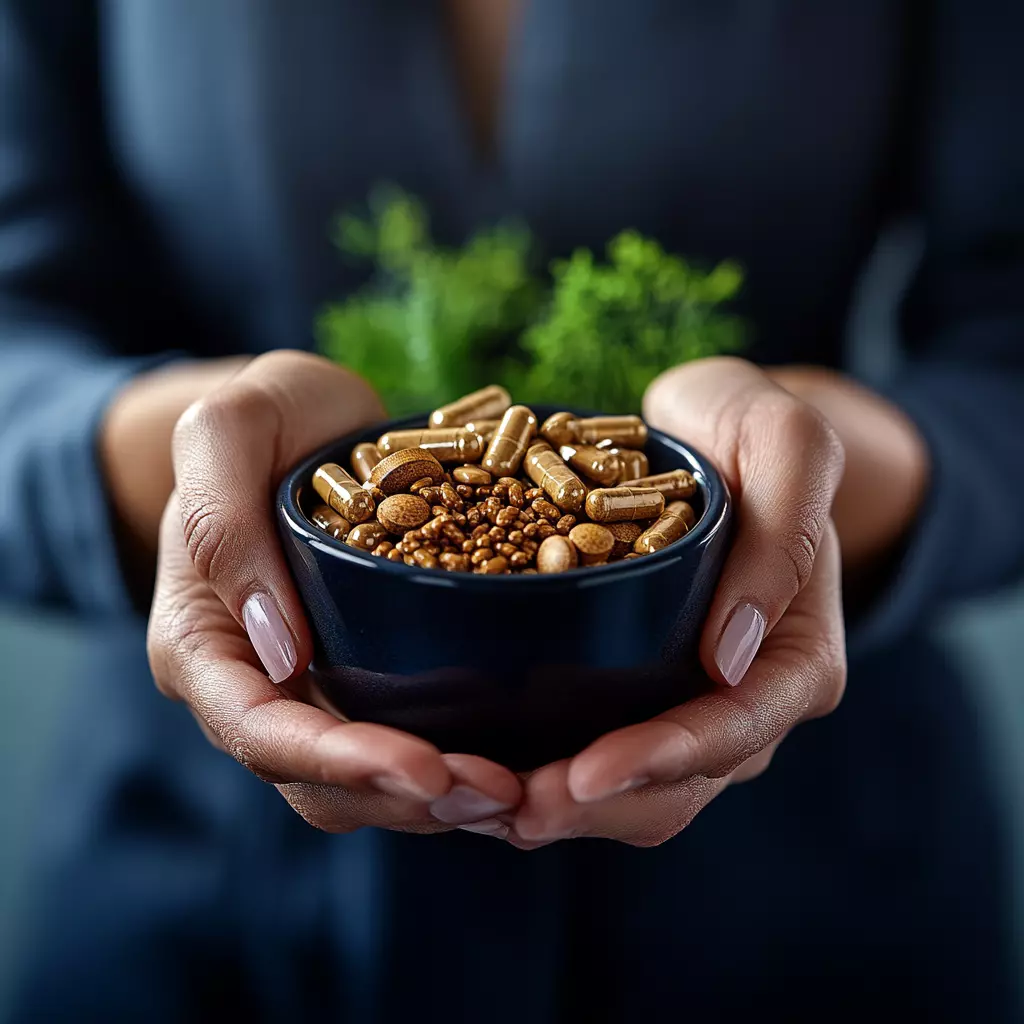
The 5Rs of Gut Healing: A Functional Medicine Approach to Restoring Your Gut Health
Introduction
The gut plays a central role in immunity, mood, metabolism, and inflammation. When its lining becomes compromised—a condition known as leaky gut—it can trigger a cascade of health problems, including digestive distress, autoimmune conditions, mood imbalances, and chronic inflammation.
Functional medicine addresses the root cause of these issues through a systematic framework known as the 5R approach. This strategy targets gut restoration through a sequence of phases: remove, replace, reinoculate, repair, and rebalance.
1. Remove — Identifying and Eliminating Stressors
The first step in gut healing involves eliminating factors that contribute to inflammation or dysbiosis. These may include:
- Inflammatory foods such as gluten, dairy, soy, corn, and processed sugars
- Gut infections or imbalances in bacterial populations
- Environmental toxins and lifestyle stressors
An elimination diet or stool testing can guide this phase. Treatment may involve antimicrobial herbs or, in some cases, antibiotics to reduce harmful bacteria.
The objective is to reduce the toxic burden on the gut and create an internal environment conducive to healing.
2. Replace — Restoring Digestive Secretions
Digestive function often suffers in individuals with leaky gut. This stage focuses on restoring key elements needed for proper digestion, such as:
- Hydrochloric acid, especially for those with low stomach acid contributing to reflux or indigestion
- Digestive enzymes from the pancreas (amylase, lipase, protease)
- Bile acids, particularly in individuals without a gallbladder or with impaired fat absorption
Efficient digestion is critical for nutrient assimilation and overall gastrointestinal function.
3. Reinoculate — Rebuilding the Microbiome
Repopulating the gut with beneficial bacteria is essential for restoring microbial balance. This involves:
- Probiotics, including strains such as Lactobacillus and Bifidobacterium, either through supplementation or fermented foods like yogurt, kimchi, miso, and tempeh
- Prebiotics, the fibers that nourish good bacteria, found in garlic, onions, artichokes, chicory, barley, and flax
A thriving microbiome helps regulate immune function, reduce inflammation, and support mood and energy levels.
4. Repair — Healing the Gut Lining
Once triggers are removed and digestion restored, the next phase focuses on repairing the intestinal barrier. Supportive nutrients include:
- Glutamine, an amino acid that fuels intestinal cells and supports mucosal regeneration
- Antioxidants such as vitamins A, C, and E
- Omega-3 fatty acids and zinc, which reduce inflammation and promote tissue repair
Healthy microvilli—tiny structures lining the gut—are essential, as they produce diamine oxidase (DAO), an enzyme involved in breaking down histamine and reducing allergy-like symptoms.
5. Rebalance — Aligning Lifestyle for Long-Term Health
True gut healing cannot occur without addressing the lifestyle factors that influence the gastrointestinal system. This includes:
- Managing stress through practices like breathwork, meditation, or relaxation techniques
- Prioritizing restorative sleep
- Avoiding overtraining or excessive physical stress
- Supporting regular, healthy bowel movements and monitoring stool quality with tools like the Bristol Stool Chart
The nervous system plays a key role in gut health. Chronic stress keeps the body in a sympathetic state, inhibiting digestion and repair. Rebalancing encourages a shift toward parasympathetic, healing mode.
How Long Does Gut Healing Take?
The timeline varies by individual. Factors such as health history, current symptoms, medication use, and environmental influences all affect healing speed. Most people require six months to one year to experience meaningful improvements, though some may need more time.
Conclusion
The 5R approach offers a comprehensive, evidence-based strategy for restoring gut health. By removing harmful triggers, replacing essential digestive components, reintroducing beneficial bacteria, repairing the gut lining, and rebalancing lifestyle habits, individuals can lay the groundwork for long-term wellness.
Gut healing is not a quick fix, but it is a transformative process. For those with chronic symptoms or autoimmune conditions, working with a functional medicine practitioner can provide personalized guidance on this journey to recovery.
Source:
MaxWell Clinic (https://maxwellclinic.com/the-5-rs-to-healing-leaky-gut/).