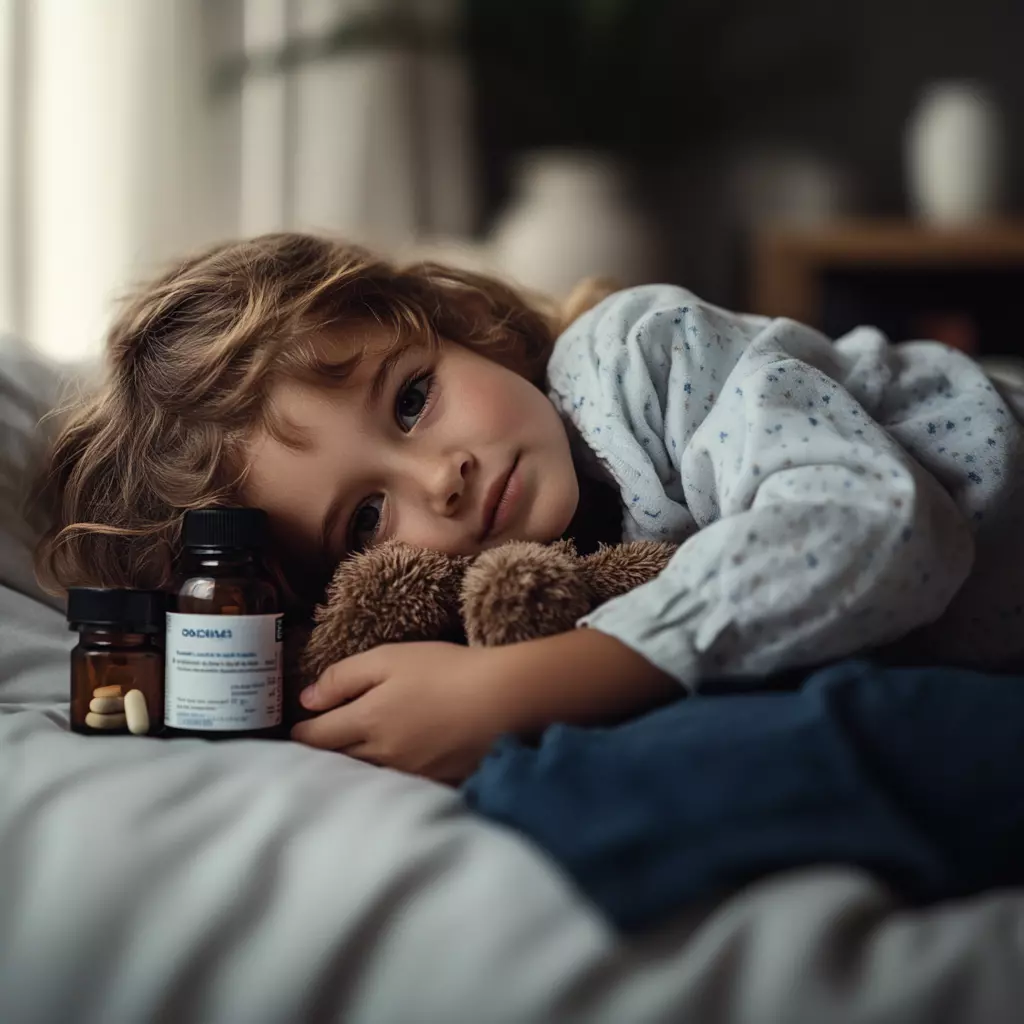
Melatonin for Kids: A Cautious Ally in Sleep Support
Melatonin, a naturally occurring hormone produced by the brain to regulate sleep, has become a popular over-the-counter remedy for children with sleep difficulties. But with a recent surge in accidental ingestions and mounting parental concerns, its use in children warrants a closer look. Experts from Boston Children’s Hospital weigh in on what parents need to know.
What Is Melatonin and How Does It Work?
Melatonin is released in response to darkness and helps synchronize the body’s circadian rhythm. Synthetic melatonin supplements are often used in two ways:
- Chronobiotic effect (shifting sleep timing): at low doses (e.g., 0.5 mg) taken earlier in the evening.
- Hypnotic effect (promoting sleepiness): at higher doses (3–5 mg) taken close to bedtime.
Crucially, research suggests melatonin does not suppress the body’s natural production.
Can It Help Children Sleep?
Studies show that melatonin can shorten the time it takes to fall asleep, particularly in children with:
- ADHD
- Autism Spectrum Disorder
- Neurodevelopmental conditions
However, melatonin should never be a standalone solution. Experts emphasize combining it with behavioral strategies such as:
- Delaying bedtime to match the child’s natural sleep onset
- Implementing positive reinforcement and consistent bedtime routines
- Eliminating evening screen exposure, which suppresses melatonin production
Extended-release formulations may help children who wake frequently, but are less studied and harder for young children to swallow.
Safety Considerations
When used correctly and under medical supervision, melatonin appears relatively safe. Side effects are typically minor and reversible:
- Morning grogginess
- Headaches
- Nightmares
- Dizziness
- Mood shifts
- Increased bedwetting
Yet long-term safety remains unclear, especially concerning melatonin's potential influence on puberty hormones — a concern raised in animal studies but not yet validated in humans due to the absence of long-term clinical trials.
Not recommended for:
- Children under age 3
- Situational or short-term insomnia (e.g., anxiety, illness)
- Children with sleep apnea or restless leg syndrome
- Children without sleep problems (for “improving sleep quality”)
Dosing & Product Quality
Melatonin should only be used with pediatric guidance, with precise dosing tailored to age and condition. Most pediatricians start with low doses and adjust gradually. Importantly, not all melatonin products are equal:
- A study of 31 brands found inconsistent dosages, sometimes far above or below label claims.
- Many products contain additional compounds not listed clearly.
Pharmaceutical-grade melatonin is recommended to ensure consistency and safety.
The Alarming Rise in Accidental Ingestions
Between 2012–2021, the CDC reported over 250,000 pediatric ingestions of melatonin in the U.S., mostly involving children under age 5 mistaking gummies for candy. While most cases were mild, thousands required hospitalization, and two deaths were reported.
Intentional overdoses by teens, often as a form of self-harm, are also increasing. Parents are urged to:
- Treat melatonin like prescription medication
- Store it securely, preferably in a locked cabinet
- Avoid calling it "candy" under any circumstances
Bottom Line
“Melatonin is likely to have the least risk and greatest benefit when used in combination with behavioral strategies — and only when truly necessary,” advises Dr. Judith Owens, co-director of the Sleep Center at Boston Children’s Hospital.
Melatonin can be a useful short-term aid, particularly for children with neurodevelopmental sleep challenges. However, it should be used thoughtfully, cautiously, and never as a shortcut for addressing poor sleep hygiene.
Source:
Boston Children’s Hospital – Melatonin for kids: Is it effective? Is it safe? (https://answers.childrenshospital.org/melatonin-for-children/).