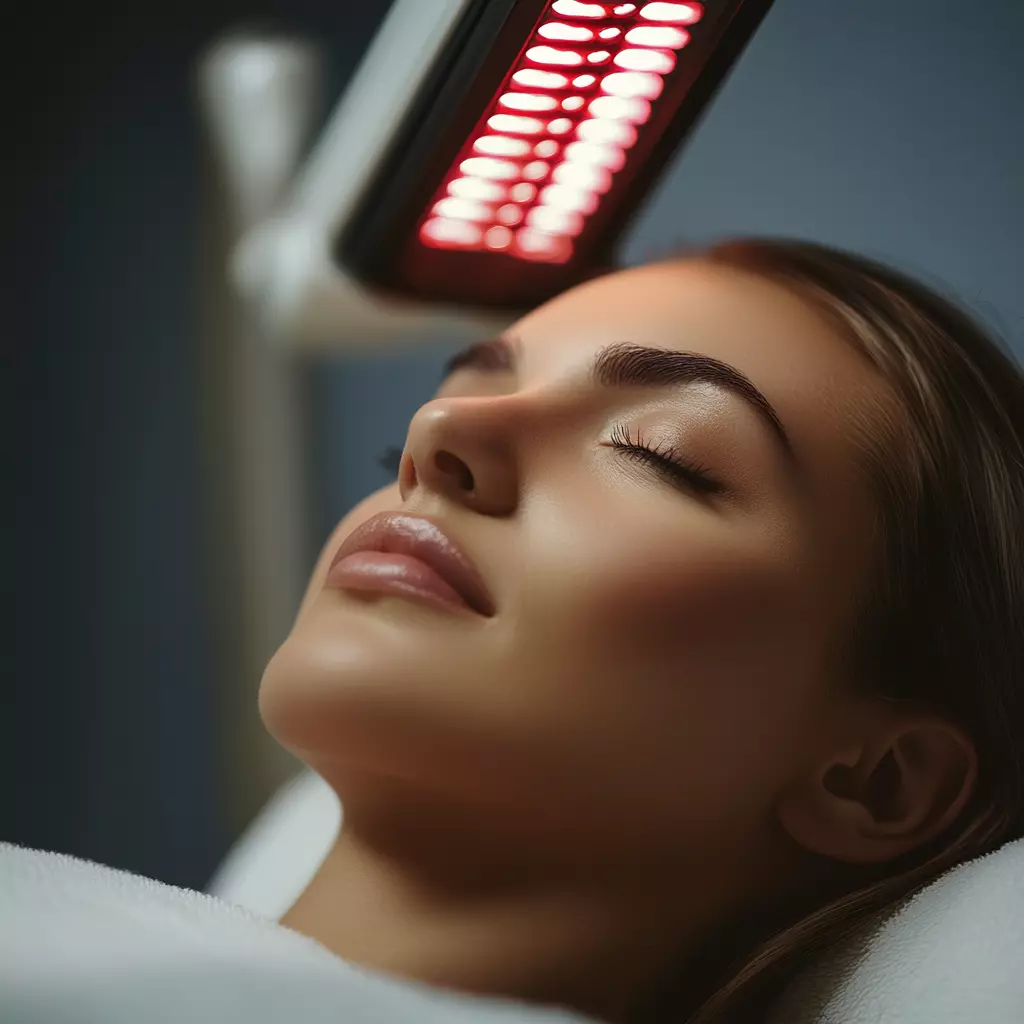
Red Light Before Bed: Disruptor or Remedy for Insomnia?
Red light therapy has long been praised for its gentle effect on circadian rhythms, especially when compared to blue and white light. But new findings from a randomized, single-blind controlled study challenge this narrative — particularly for those with insomnia disorder (ID). The results suggest that exposure to red light before bedtime may actually worsen mood and fragment sleep, raising important questions about its clinical application.
Study Overview
Researchers from Jinan University examined how one hour of red light exposure before bed affects:
- Objective sleep (measured by polysomnography),
- Mood (via validated anxiety and depression scales),
- Subjective alertness.
Participants:
- 114 adults, including 57 with diagnosed insomnia and 57 healthy controls.
- Randomly assigned to red light, white light, or black-out (control) conditions.
- Light intensity was set at 75 lux for red light — the standard brightness for residential settings.
Key Findings
1. Red Light Increased Negative Mood and Anxiety
- In both healthy and insomnia groups, red light significantly raised scores for anxiety, distress, nervousness, and negative emotions compared to white light and no light.
- This effect was strongest among individuals with insomnia, who already exhibit elevated baseline emotional sensitivity.
2. Red Light Enhanced Subjective Alertness
- Participants exposed to red light reported lower drowsiness and higher alertness before sleep.
- This effect was consistent across both healthy and insomnia groups, aligning with previous studies showing red light increases vigilance without suppressing melatonin.
3. Mixed Effects on Sleep Quality
In healthy individuals, red light led to:
- Shorter sleep latency (faster to fall asleep),
- But reduced total sleep time (TST) and sleep efficiency (SE),
- As well as increased microarousals and REM sleep fragmentation.
In the insomnia group, red light had more complex effects:
- Shorter sleep latency compared to white light,
- But increased awakenings, lower SE, and more disturbances during REM sleep.
- Negative mood mediated many of these sleep disturbances.
The REM Sleep Factor
One of the most significant findings was red light's impact on REM sleep:
- REM periods became more fragmented, especially in insomnia sufferers.
- Increased microarousals during REM were strongly correlated with anxiety and negative emotion scores.
- These changes are critical, as REM sleep plays a key role in emotional regulation, memory, and cognition.
Psychological and Biological Mechanisms
Red light’s stimulation of subjective alertness may be beneficial in certain contexts (e.g., night shift work), but for individuals prone to anxiety or sleep issues, it may amplify emotional reactivity before bed.
- Increased anxiety before sleep lengthens sleep onset and fragments rest.
- Red light may trigger stress-related pathways, influencing neurotransmitters like dopamine and serotonin — both crucial in mood and sleep regulation.
Practical Implications
This study highlights the need for caution in applying red light therapy before bedtime — especially for:
- Individuals with insomnia, anxiety, or emotional sensitivity,
- Those aiming to enhance REM stability and emotional regulation during sleep.
Key recommendations:
- Avoid red light before bed if you struggle with sleep maintenance or emotional instability.
- Opt for complete darkness or dim warm light (not bright red) as a safer alternative.
- Monitor mood responses closely when using any form of light therapy at night.
Conclusion
“Red light exposure before sleep may offer faster sleep initiation, but at the cost of emotional stability and REM sleep quality — especially in people with insomnia.”
This landmark study urges a reconsideration of red light as a universally sleep-friendly solution. While it can boost alertness and speed up sleep onset, its potential to intensify anxiety and disrupt REM sleep suggests it may do more harm than good in vulnerable individuals.
Source:
Pan R. et al. (2023). Effects of red light on sleep and mood in healthy subjects and individuals with insomnia disorder. PMC10484593 (https://pmc.ncbi.nlm.nih.gov/articles/PMC10484593/).