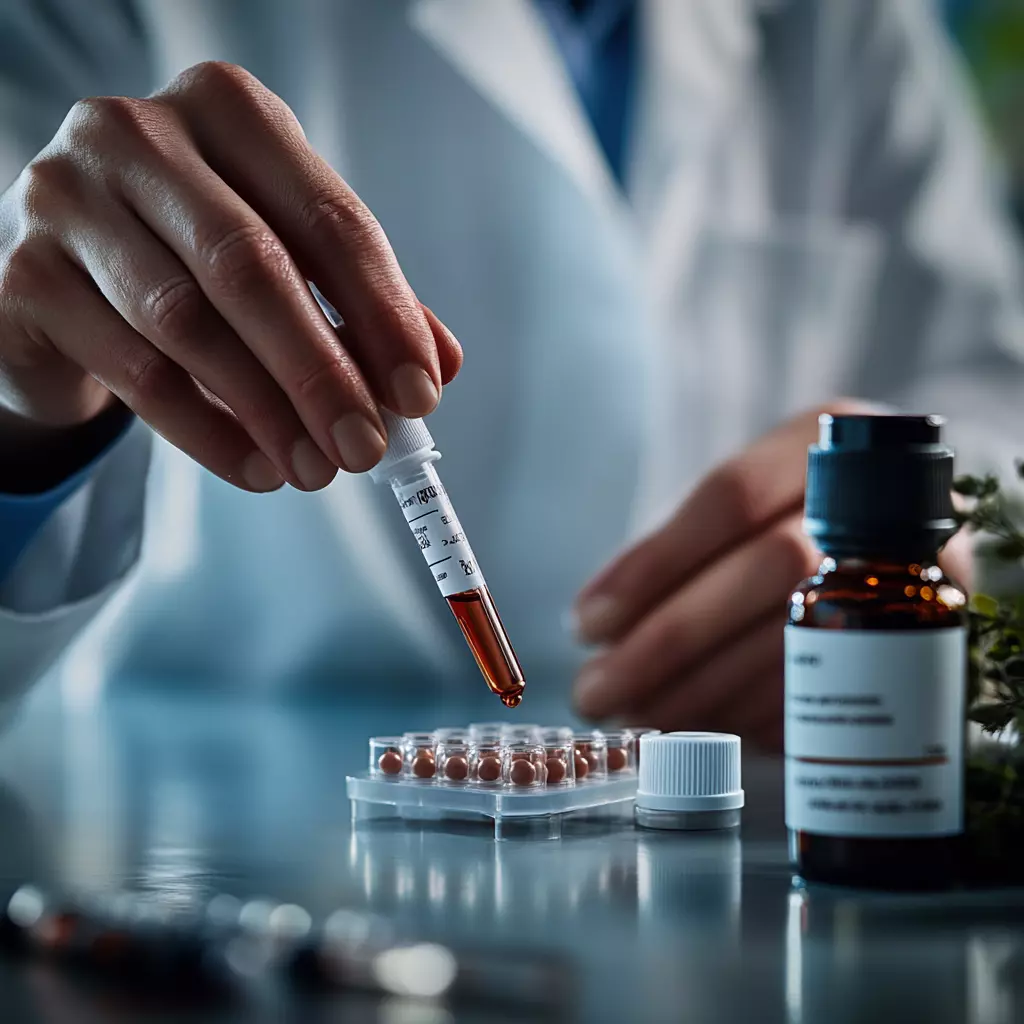
Peptide-Based Therapies for Soft Tissue Regeneration: A Promising Frontier in Regenerative Medicine
Peptide therapeutics are rapidly gaining attention as a minimally invasive alternative for soft tissue regeneration, particularly in musculoskeletal conditions like osteoarthritis, rheumatoid arthritis, and injury-induced degeneration. A recent narrative review published in Cureus (PMCID: PMC11426299) explores both local and systemic peptide therapies and compares their potential in promoting healing across various tissues, including cartilage, tendons, ligaments, and muscles.
Key Insights from the Review
Dual Routes of Administration: Oral and intra-articular peptide delivery each offer distinct benefits. Oral peptides provide systemic effects but suffer from low bioavailability, while intra-articular injections offer localized action with minimal systemic side effects.
Collagen-Based Therapies:
- Native Type II Collagen improves joint pain via an immune-modulating mechanism known as oral tolerance, especially in rheumatoid arthritis.
- Hydrolyzed Collagen (HC) offers superior absorption and is available in both oral and injectable forms. Studies show its efficacy in increasing cartilage thickness and reducing osteoarthritic symptoms.
BPC-157 (Body Protection Compound-157):
This stable gastric pentadecapeptide, tested mostly in animal models, stimulates angiogenesis, fibroblast activity, nitric oxide production, and the FAK-paxillin pathway—key processes in tendon, ligament, and muscle regeneration. Despite its promise, it remains unapproved pending human trials.
GHK-Cu (Glycyl-L-Histidyl-L-Lysine + Copper):
Found naturally in human plasma, this tripeptide supports wound healing, collagen synthesis, and fibroblast function. It has shown systemic regenerative effects and angiogenesis in animal studies, with limited clinical use currently restricted to topical applications.
RANKL-Binding Peptides (OP3-4 and WP9QY):
These synthetic peptides mimic the osteoprotegerin (OPG) pathway, inhibiting osteoclast activity while promoting bone and cartilage regeneration. Animal models suggest these agents could help prevent cartilage breakdown and promote fracture healing.
Thymosin β4 (Tβ4):
Known for its role in angiogenesis and anti-inflammatory action, Tβ4 is abundant in platelets and other healing cells. It regulates fibroblast activity, reduces scarring, and may support collagen reorganization. Though it is used clinically for other indications, it is not yet approved for musculoskeletal repair.
Takeaways
- Several peptide therapies—most notably hydrolyzed collagen, BPC-157, and GHK-Cu—have shown strong preclinical evidence for soft tissue repair.
- Bioavailability and route of administration play a significant role in efficacy, with intra-articular methods often outperforming oral alternatives in localized treatment.
- Many peptides remain in early-phase research, highlighting the need for further randomized controlled trials in humans.
Future Outlook
As the field of regenerative medicine evolves, peptide-based therapies may offer a revolutionary alternative to surgical interventions, especially for chronic musculoskeletal conditions. The refinement of delivery methods and deeper understanding of molecular mechanisms will be critical for their integration into mainstream clinical practice.
Source:
Cushman CJ et al. (2024). Local and Systemic Peptide Therapies for Soft Tissue Regeneration: A Narrative Review. PMCID: PMC11426299 (https://pmc.ncbi.nlm.nih.gov/articles/PMC11426299/).