Choline-Rich Diet Linked to Better Memory and Reduced Dementia Risk
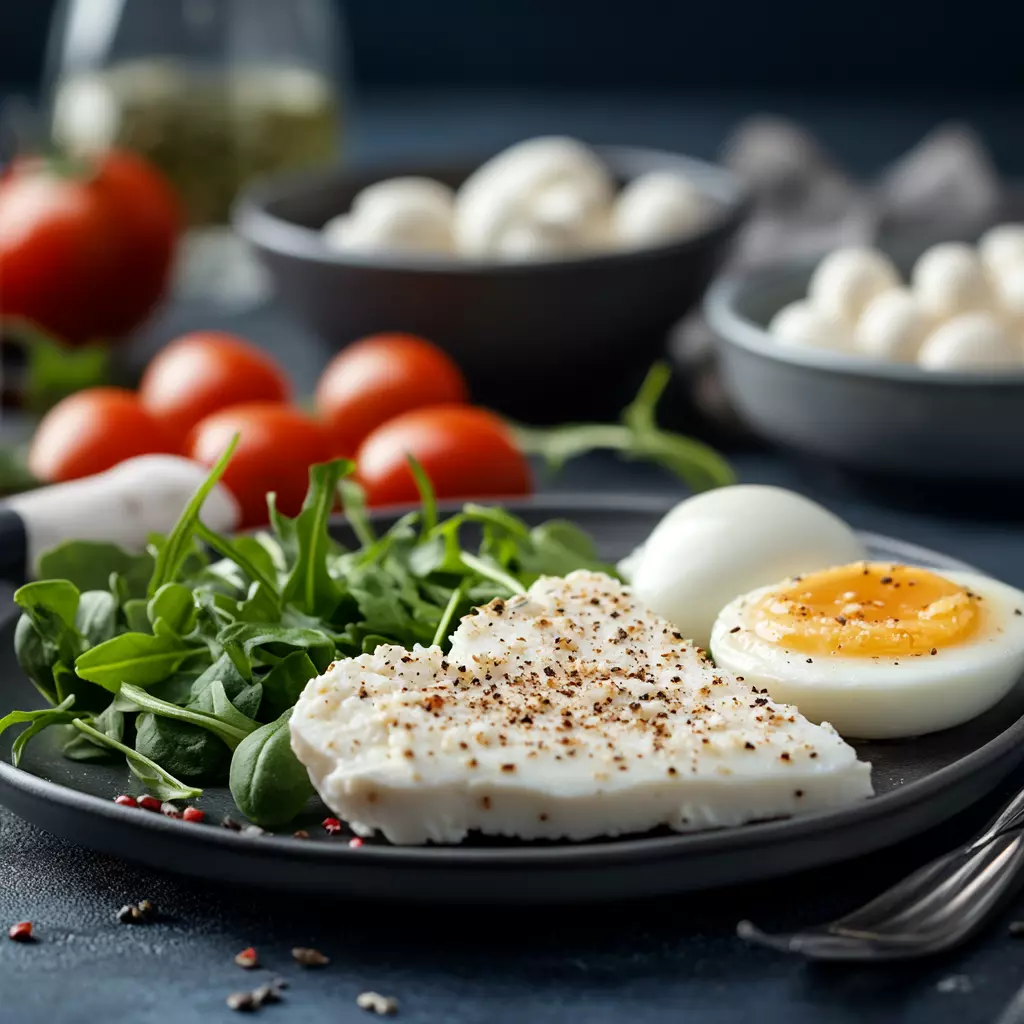
Can breakfast protect your brain? A long-term study from Finland suggests that what you eat—especially choline-rich foods like eggs and meat—might be a powerful ally in preserving memory and reducing dementia risk.
What is Choline and Why Does It Matter?
Choline is an essential, vitamin-like nutrient that plays a critical role in brain function. It’s a key precursor to acetylcholine, a neurotransmitter involved in memory, learning, and attention. Most dietary choline is consumed in the form of phosphatidylcholine, commonly found in egg yolks, meat, and dairy products.
The Study: 20+ Years of Evidence
Researchers from the University of Eastern Finland examined the long-term effects of dietary choline in 2,497 middle-aged men who were followed for an average of 21.9 years as part of the Kuopio Ischaemic Heart Disease Risk Factor Study (KIHD).
Key Findings:
- Higher phosphatidylcholine intake (over 222 mg/day) was associated with a 28% lower risk of developing dementia compared to those consuming less than 144 mg/day.
- Every additional 50 mg/day of phosphatidylcholine lowered dementia risk by 10%.
- Choline intake was not significantly linked to Alzheimer’s risk specifically, suggesting the benefit may be vascular rather than strictly neurodegenerative.
Cognitive Boost from Choline
In a subset of participants who took cognitive tests, higher choline intake correlated with improved scores in:
- Verbal fluency
- Processing speed
- Visual memory and reproduction
- Overall memory performance
Notably, vitamin B12, folate, and source of choline did not significantly impact test scores—choline alone appeared to drive the cognitive benefits.
Where Does Choline Come From?
In this Finnish cohort, the average daily choline intake was 431 mg, with phosphatidylcholine making up 43.5% of the total. The most common sources:
Implications and Future Directions
This study suggests that consuming adequate choline may be a simple and affordable strategy to maintain cognitive function and reduce dementia risk. While these are observational findings, and further research is needed, the results underscore the brain-boosting potential of everyday nutrition.
“Consuming an adequate amount of food high in choline could be an easy, effective, and affordable way to maintain cognitive functioning,” said Maija Ylilauri, the study’s lead author.
Source:
Inacio, P. (2019, August 23). Diet Rich in Choline Aids Memory and Lowers Risk of Dementia, Study Suggests. Alzheimer’s News Today (https://alzheimersnewstoday.com/news/diet-rich-in-choline-aids-memory-lowers-dementia-risk-study-suggests/).