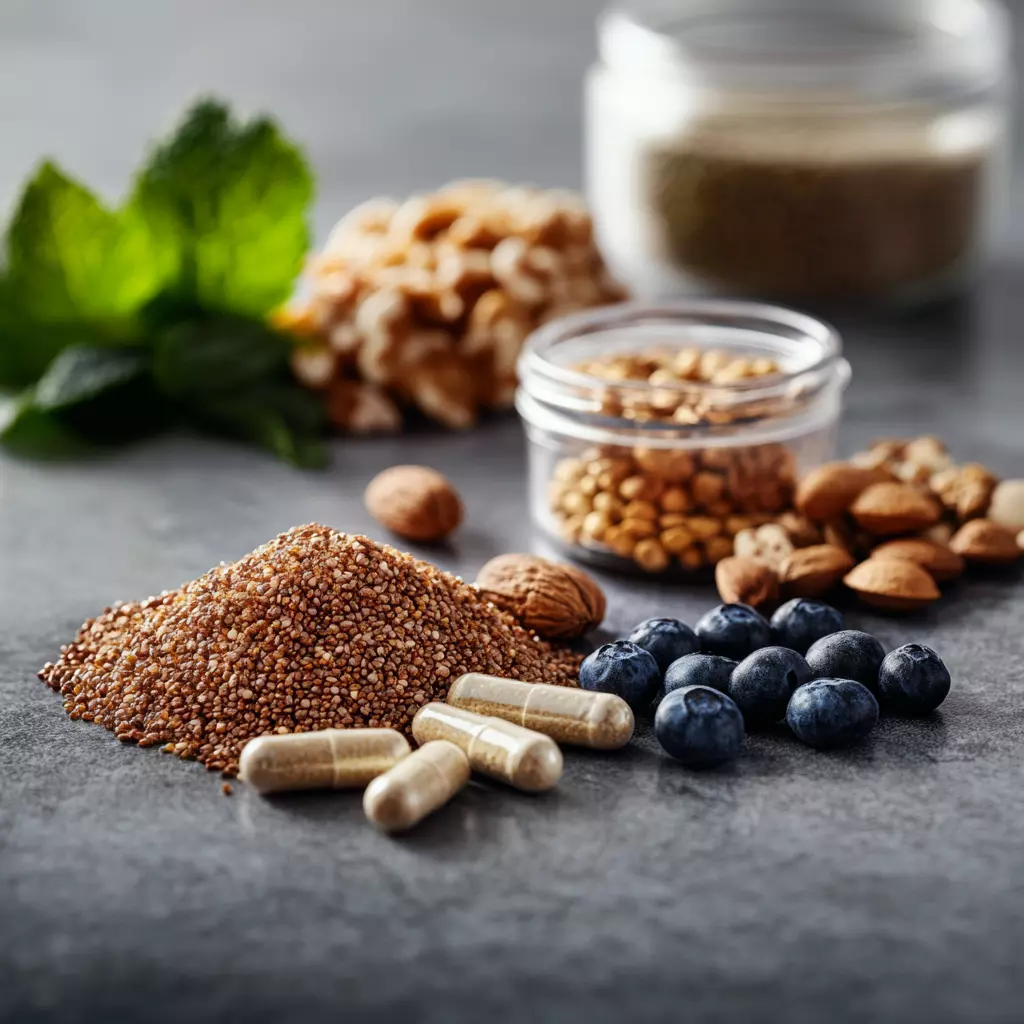
Nootropic Foods and Brain Health: A New Frontier in Neurodegenerative Disease Prevention
As neurodegenerative diseases (NDDs) like Alzheimer’s and Parkinson’s continue to rise globally, there is growing interest in preventive strategies that target brain health at the intersection of diet and neuroscience. Despite years of pharmacological research, most current treatments remain limited in their ability to slow or reverse disease progression. In this context, nootropic foods—nutrient-rich compounds with cognitive-enhancing and neuroprotective effects—are gaining attention as a
promising complementary approach.
Understanding the Link Between Diet and Neurodegeneration
Emerging evidence points to a strong association between environmental stressors, particularly poor dietary patterns, and the onset and progression of neurodegenerative disorders. While pharmacotherapy has its place, lifestyle-based strategies such as dietary interventions may offer long-term benefits by addressing underlying mechanisms of neural decline.
What Are Nootropic Foods?
Nootropic foods are natural dietary components known to enhance cognitive performance, protect neurons, and support brain function. These include certain polyphenols, vitamins, minerals, fatty acids (especially omega-3s), and bioactive plant compounds that act on neurobiological pathways involved in:
- Oxidative stress reduction
- Anti-inflammatory signaling
- Neurotransmitter modulation
- Synaptic plasticity
- Mitochondrial support
- Protein misfolding prevention
Mechanisms of Action in NDDs
This review identifies multiple molecular mechanisms through which nootropic foods interact with biological systems in the brain:
- Antioxidant and anti-inflammatory effects: Combat oxidative damage and chronic neuroinflammation—both hallmarks of neurodegenerative progression.
- Mitochondrial health and energy metabolism: Certain compounds improve mitochondrial resilience and ATP production, essential for neuronal survival.
- Regulation of neurotrophic factors: Nootropics may influence levels of BDNF (Brain-Derived Neurotrophic Factor), a protein essential for neurogenesis and synaptic health.
- Modulation of gut–brain axis: The microbiome may mediate neuroprotective effects by metabolizing food compounds into bioactive molecules that influence cognition.
Dietary Patterns and Nootropic Interventions
Beyond individual nutrients, the review explores the role of comprehensive dietary patterns in mitigating NDD risk. Diets like the Mediterranean, MIND (Mediterranean-DASH Intervention for Neurodegenerative Delay), and plant-forward anti-inflammatory approaches show the strongest correlation with delayed cognitive decline.
Key nootropic-rich dietary components include:
- Berries and dark-colored fruits
- Leafy greens and cruciferous vegetables
- Fatty fish (omega-3s)
- Turmeric (curcumin)
- Nuts and seeds (vitamin E, polyphenols)
- Whole grains and legumes (fiber, B vitamins)
- Green tea and dark chocolate (flavonoids)
Challenges and Future Directions
Despite promising results, several challenges remain before nootropic foods can be fully integrated into clinical practice:
- Lack of standardized intake guidelines
- Variability in bioavailability and metabolism
- Complexity of nutrient–gene interactions
- Limited human trials and long-term studies
- Need for regulatory frameworks around functional food claims
The authors emphasize the importance of integrative approaches that combine nutrition, genomics, microbiome science, and behavioral interventions. With greater investment in translational research, nootropic foods could become a viable, evidence-based tool in the prevention and management of NDDs.
Conclusion
Nootropic foods represent a novel, biologically plausible strategy for addressing neurodegenerative diseases from the inside out. By targeting key mechanisms of inflammation, oxidative stress, and synaptic integrity, diet may hold the potential to delay the onset or progression of age-related cognitive disorders. As the field advances, a systems-based understanding of food as medicine could revolutionize how we approach brain aging in clinical and everyday settings.
Source:
Authors: Le Anh Minh Nguyen, Courtney Wayne Simons, Raymond Thomas
Source: Translational Neurodegeneration –PubMedPubMed – Nootropic foods in neurodegenerative diseases: mechanisms, challenges, and future (PMID: 40176115)